How to Actually Plan a Cruise in 2026 (Without Losing Your Mind)
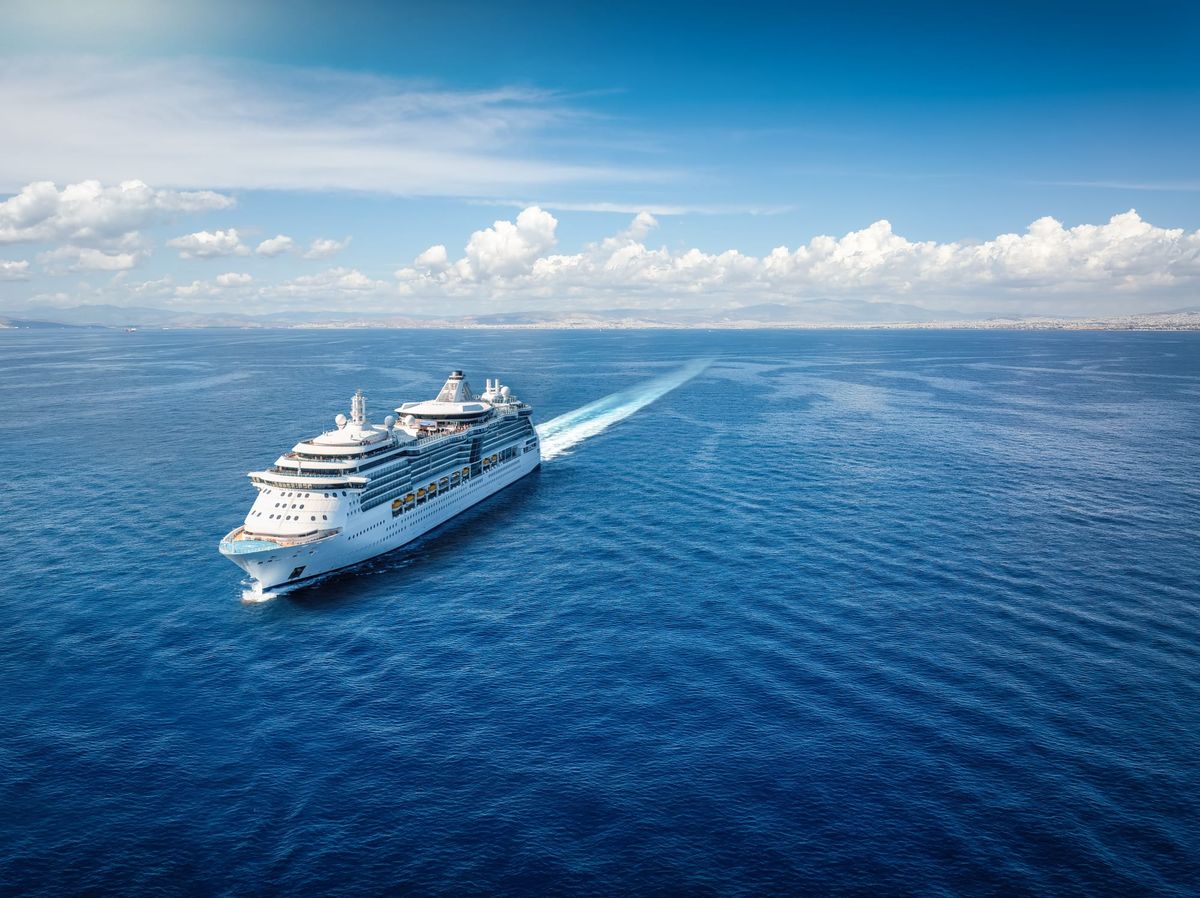
The cruise industry sold over 35 million passenger nights last year. Most of those travelers started the same way: excited, slightly overwhelmed, and unsure where to begin.
Planning a cruise is not the same as booking a flight or reserving a hotel. There are deposits, cabin categories, shore excursion windows, drink package math, and an entire embarkation day logistics chain that nobody warns you about until you are standing in a terminal wondering why you did not print that luggage tag.
The good news is that none of it is actually hard. It just benefits from a system.
Start With the Calendar, Not the Cruise Line
Most first-time cruisers begin by browsing ships. That is backwards. The first question is when you can actually travel, how many days you have, and whether those dates fall inside hurricane season, school breaks, or repositioning windows. Those constraints eliminate 80% of your options immediately, which is a good thing. Fewer choices means faster, better decisions.
Once you have a window, the next filter is destination. Caribbean, Alaska, Mediterranean, and Asia each have optimal booking seasons. Alaska sailings, for example, sell out cabins with balconies 10 to 14 months in advance. Caribbean holiday sailings often require deposits by early summer.
The Deposit and Payment System Most People Discover Too Late
Cruise pricing is not like hotel pricing. Most lines require a deposit at booking, with final payment due 60 to 120 days before sailing. Some offer structured payment plans that let you break the cost into monthly installments. Understanding how much a cruise really costs before you commit, including port fees, gratuities, drink packages, and Wi-Fi, is the single biggest mistake gap for new cruisers. The sticker price is a starting point, not a total.
Packing Is Where Most Plans Fall Apart
You would think packing for a cruise is straightforward. It is not. Formal nights, shore excursion gear, pool days, and the reality that your cabin is smaller than a hotel room all create a compression problem that most travelers solve badly by overpacking. A good cruise packing checklist eliminates the guesswork and keeps your luggage under control.
The best approach is to pack by day type rather than by outfit. Separate your embarkation day carry-on from your checked luggage. Bring a small daypack for ports. Roll instead of fold. These are small decisions that compound into a much smoother trip.
The Real Preparation Edge
The travelers who enjoy their cruises the most are not the ones who spent the most money. They are the ones who showed up prepared. They knew their ship, understood the boarding process, had their excursions researched, and were not blindsided by the onboard costs. That is the entire premise behind Deep Arrival's cruise planning guide, which covers the full arc from first research to embarkation day.
Planning a cruise does not need to be stressful. It just needs to start earlier and with better information than most people realize.