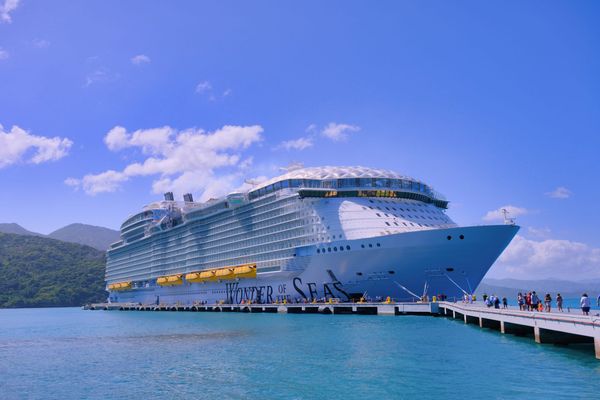
Why Travel News Matters More Than You Think Before You Book
Most travelers encounter travel news after something has already gone wrong. A flight was canceled, a cruise port was dropped, a visa policy changed overnight. By then, the information is reactive instead of useful.
There is a better approach, and it starts with paying attention before you book rather than after.
The Information Gap Between Booking and Boarding
The period between booking a trip and actually departing can span weeks or months. During that window, airline policies change, cruise lines adjust itineraries, theme parks restructure their ticket systems, and geopolitical events reshape entire travel corridors. Travelers who stay informed during that window make better decisions: they rebook before cancellation fees kick in, they adjust excursions before ports get dropped, and they understand the cost structure before prices shift.
Travelers who ignore the news during that window get surprised. Surprise is expensive in travel.
Travel News Is Not Just Breaking Alerts
The most valuable travel news is not the crisis headline. It is the structural shift that changes how a trip works. When a cruise line raises gratuity fees across the fleet, that affects every booking. When an airport changes its security screening process, that affects every departure. When a theme park launches a new reservation system, that affects every visit. These are not emergencies. They are preparation opportunities. Deep Arrival covers these shifts daily because preparation is the entire editorial mission: help travelers arrive ready, not blindsided.
Where This Applies Most
Cruise travelers benefit the most from staying current because cruise trips involve the longest lead times and the most moving parts. Between booking and boarding, your itinerary can change, your ship can be repositioned, and your onboard pricing can shift. A dedicated cruise preparation resource helps you track those changes and plan around them rather than react to them.
Business travelers face a similar dynamic. Airline schedule changes, hotel policy updates, and airport construction all affect the logistics of a work trip. The business traveler who has travel preparation systems in place absorbs these changes without disruption. The one who does not spends energy solving problems that were avoidable.
The Preparation-First Mindset
Travel media is full of inspiration. Beautiful photos, aspirational itineraries, and listicles about the best beaches. None of that helps you when your flight is delayed, your cabin is not what you expected, or your shore excursion is canceled because the port was dropped.
What helps is information. Timely, specific, actionable information about the trip you are actually taking. That is what preparation-first travel coverage looks like, and it is the reason informed travelers have better experiences than uninformed ones, regardless of budget.
The best time to start paying attention is before you book. The second-best time is right now.