What to Pack for a Cruise: The System Experienced Travelers Use
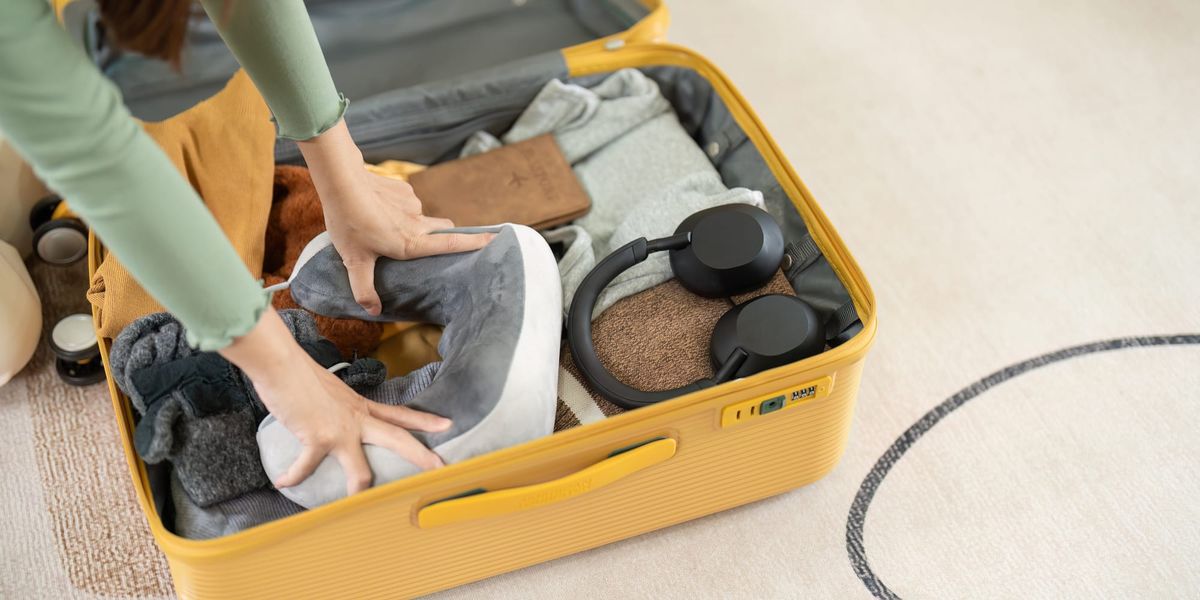
There is a version of cruise packing that works and a version that does not. The version that does not starts with a suitcase, a vague sense of what you might need, and a growing pile of just-in-case items that double your luggage weight.
The version that works starts with a system.
Pack by Day Type, Not by Outfit
Experienced cruisers do not think in terms of outfits. They think in terms of day types. A cruise has three distinct day types: sea days (casual, pool, relaxation), port days (walking, excursions, weather variability), and evening events (formal nights, dining, entertainment). Each day type has a baseline kit. Once you have a kit for each type, you multiply by the number of days and subtract the items that overlap.
A seven-day cruise, for example, might have three sea days, three port days, and one formal night. That means three casual day sets, three active day sets, one formal outfit, and a swimsuit rotation. When you frame it that way, the packing problem shrinks dramatically.
The Carry-On Separation Rule
Your checked luggage will not arrive at your cabin until late afternoon on embarkation day. That means everything you need for the first four to six hours of your cruise, including your swimsuit, medications, travel documents, and a change of clothes, has to be in your carry-on. Most first-time cruisers do not know this and spend their first afternoon waiting for bags instead of enjoying the ship. A 7-day cruise packing list accounts for this separation and shows you exactly what goes where.
Compression and Organization
Cabin closet space is limited, especially in interior and ocean-view staterooms. The travelers who stay organized use compression packing cubes to separate day types in the suitcase and then transfer them directly into cabin drawers on arrival. This is not an optimization trick. It is the difference between a tidy cabin for seven days and a floor covered in clothes by day three.
Rolling clothes instead of folding saves roughly 20% of suitcase volume. Shoes go in bags along the suitcase walls. Toiletries go in a hanging organizer that moves from the suitcase to the bathroom hook. Every experienced cruiser has arrived at some version of this system through trial and error. You can skip the trial and error part.
The Checklist Advantage
The single best investment you can make in cruise packing is a checklist. Not a mental one. A real one that you can work through, check off, and adjust for your specific cruise line, itinerary, and cabin type. Deep Arrival's cruise packing checklist generator builds a personalized list based on your trip details so nothing gets left behind.
Packing for a cruise is a solved problem. The system exists. The only question is whether you use it or reinvent it from scratch every time you sail.